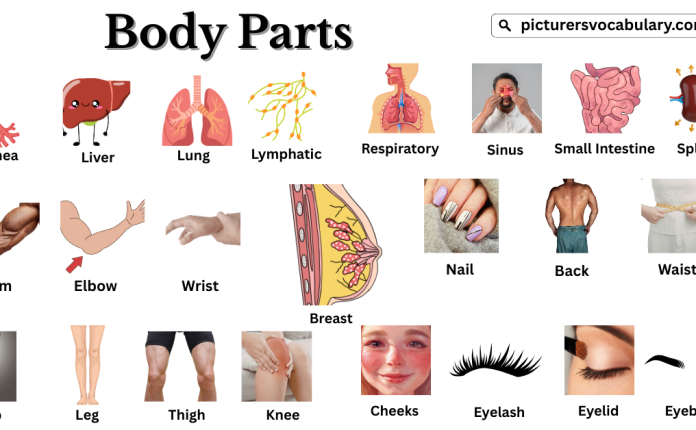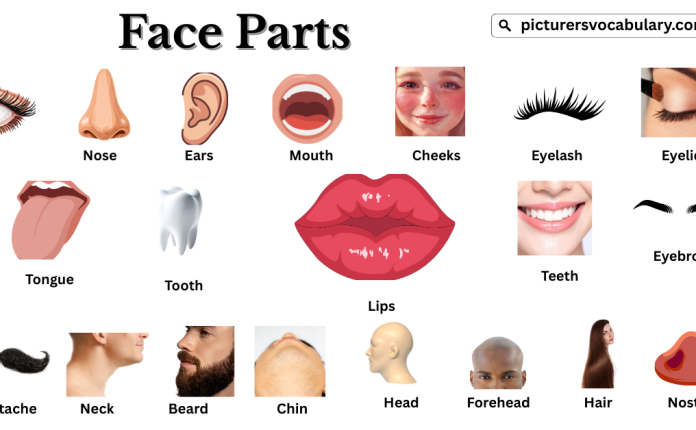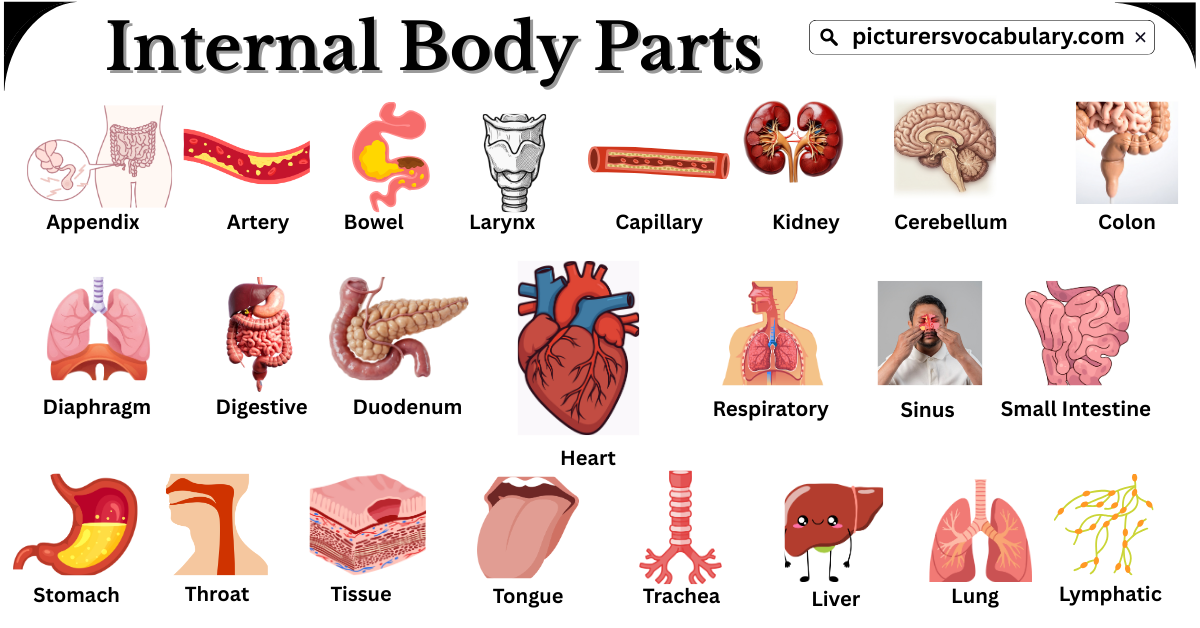
Internal Body Parts Vocabulary in English helps learners understand the organs that work inside the human body. Many of these organs cannot be seen, which makes them harder to learn and remember. Students often feel confused about their names and functions. Learning this vocabulary is important for understanding how the human body works.
This article makes learning easier by explaining internal body parts with simple meanings and clear descriptions. It introduces important organs such as the heart, lungs, brain, and stomach. Each organ has a special role that keeps the body healthy and active. By studying these words, students can improve their knowledge of human anatomy and vocabulary.
Internal Body Parts Vocabulary With Pictures
List of internal body parts is given below:-
Appendix
An appendix is a small sac attached to the large intestine in animals.
Artery
An artery is a blood vessel that carries blood from the heart to the body and the body to the heart.

Bowel
The bowel is the alimentary canal from the stomach to the anus.
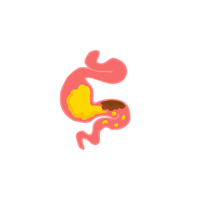
Brain
The brain is the central organ of the nervous system.
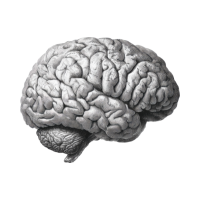
Capillary
A capillary is a minute blood vessel connecting arterioles and venules.
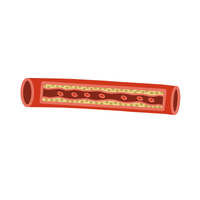
Cerebellum
The cerebellum is a major division of the vertebrate brain.
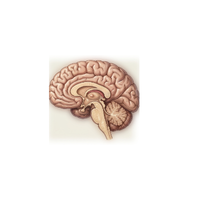
Colon
The colon is the part of the large intestine between the cecum and rectum.
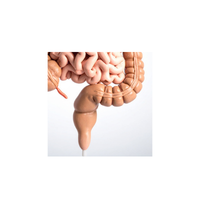
Diaphragm
The diaphragm is a muscular partition of the chest used in respiration.
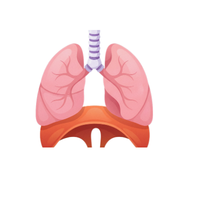
Digestive
Digestive means a substance that aids in the breakdown of food.
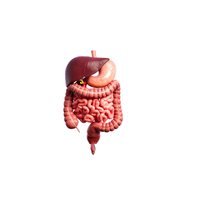
Duodenum
The duodenum is part of the small intestine between the stomach and jejunum.
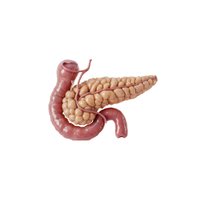
Endocrine
Endocrine glands secrete hormones.
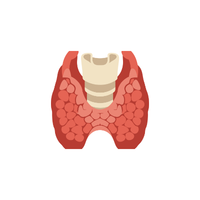
Epiglottis
The epiglottis is a flap of cartilage that covers the windpipe during swallowing.
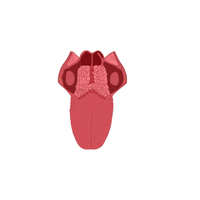
Gall Bladder
The gall bladder is a muscular sac near the liver that stores bile for digestion.
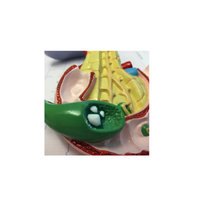
Gland
A gland is a small organ that synthesizes and secretes chemicals.
Gullet
The gullet is a passage from the pharynx to the stomach.
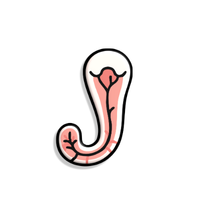
Gut
The gut is the alimentary canal from the stomach to the anus.
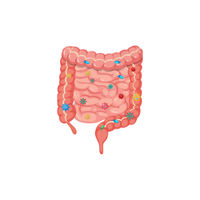
Heart
The heart is a hollow muscular organ located behind the sternum.
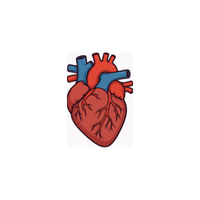
Hormone
A hormone is a secretion from an endocrine gland transmitted by the blood.
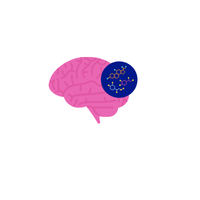
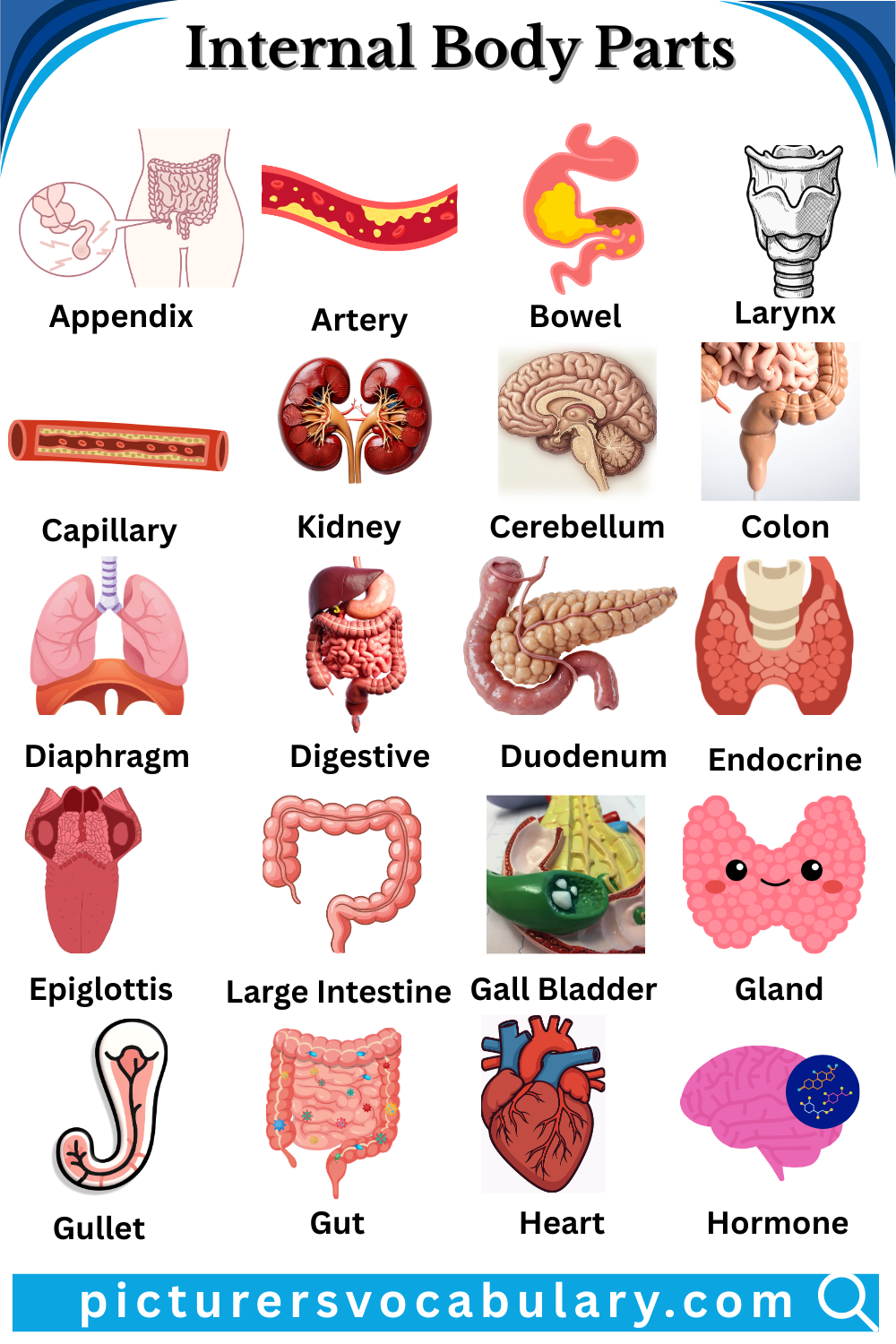
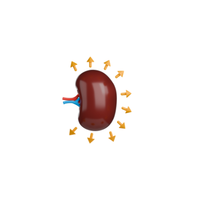
Kidney
The kidney is a bean-shaped excretory organ that filters wastes and urea from the blood to form urine.
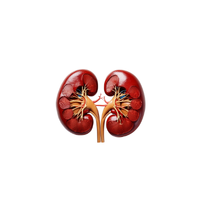
Large Intestine
The large intestine includes the cecum and rectum.
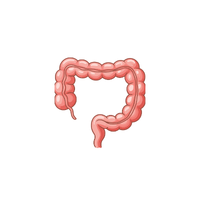
Larynx
The larynx is a structure that contains the vocal cords.
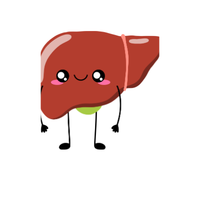
Liver
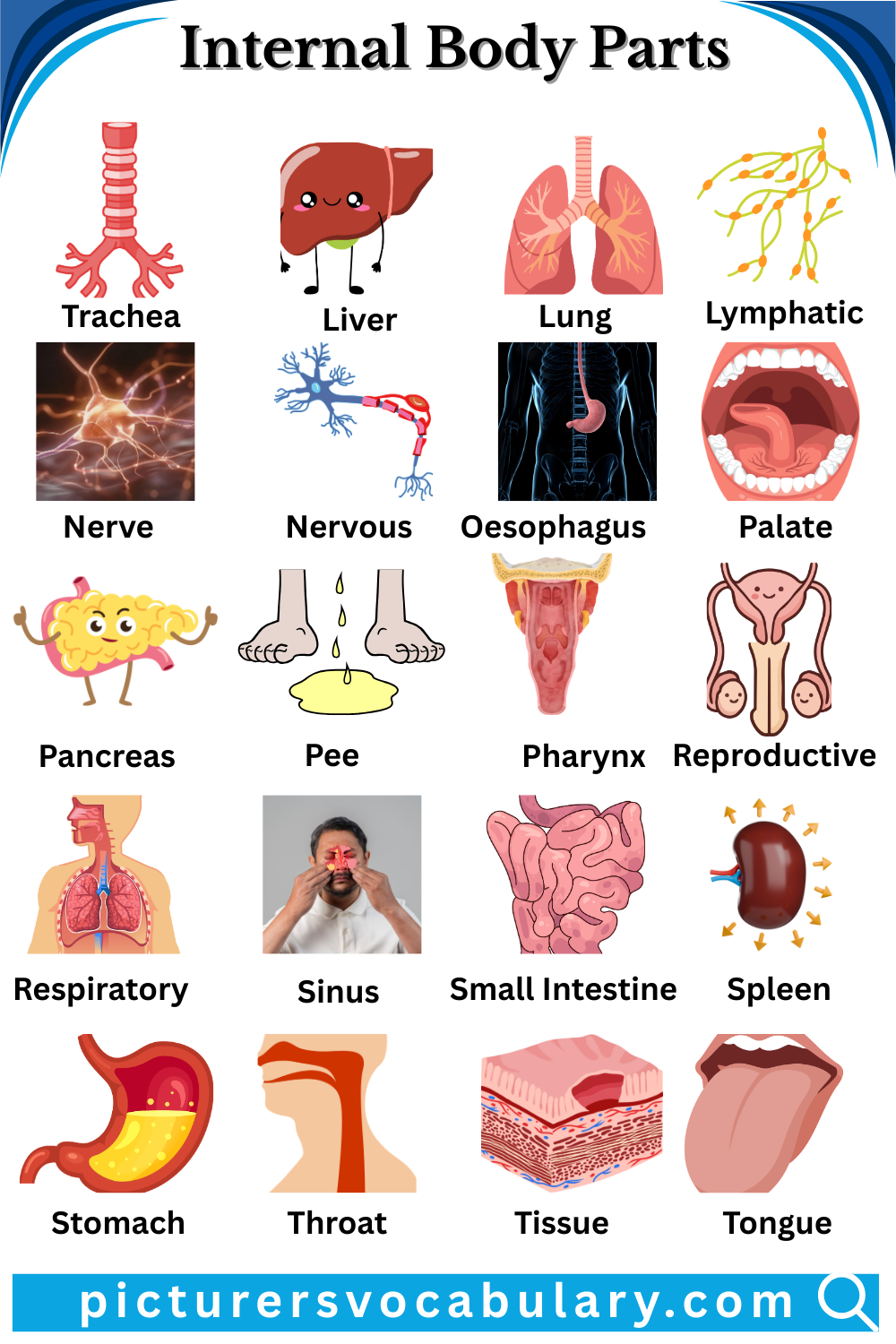
The liver is a glandular reddish-brown organ that produces bile and helps in metabolism and detoxification.
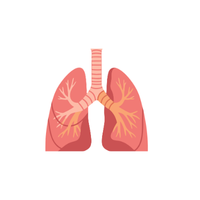
Lung
The lung is a saclike respiratory organ in the chest that exchanges oxygen and carbon dioxide.
Lymphatic
The lymphatic system contains clear fluid and white blood cells.

Nerve
A nerve is a bundle of fibers connecting organs and tissues.
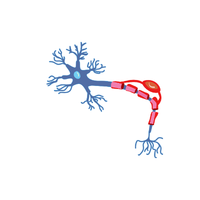
Nervous
The nervous system controls sensory functions.
Oesophagus
The oesophagus is a passage from the pharynx to the stomach.
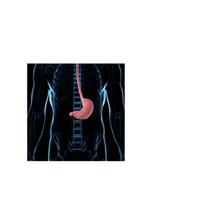
Palate
The palate forms the roof of the mouth between the oral and nasal cavities.
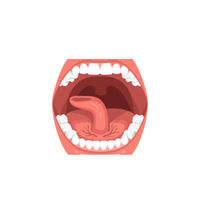
Pancreas
The pancreas is a large gland that produces insulin and digestive enzymes.
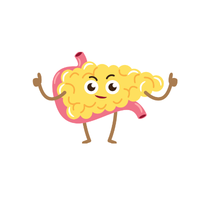
Pee
Pee means to eliminate urine.
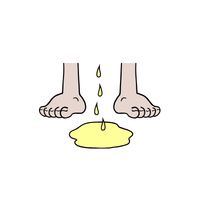
Pharynx
The pharynx is a passage that leads to the stomach and lungs.
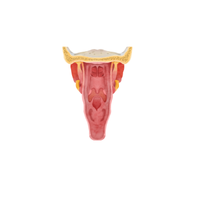
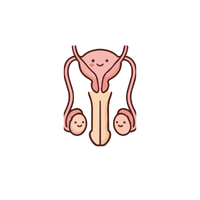
Reproductive
The reproductive system is used for producing offspring.
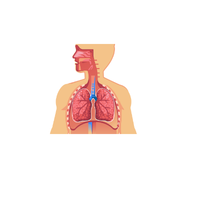
Respiratory
Respiratory relates to breathing.
Sinus
A sinus is an abnormal passage or cavity near a surface.

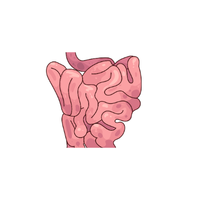
Small Intestine
The small intestine is the longest part of the alimentary canal.
Spleen
The spleen is a large oval organ near the stomach and diaphragm.
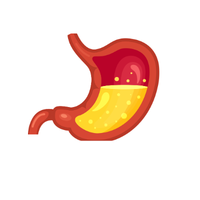
Stomach
The stomach is a muscular saclike part of the alimentary canal.
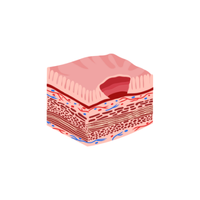
Throat
The throat is a passage that leads to the stomach and lungs.

Tissue
Tissue is an aggregate of cells.
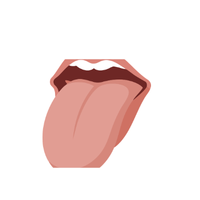
Tongue
The tongue is a mobile muscular tissue in the oral cavity.
Trachea
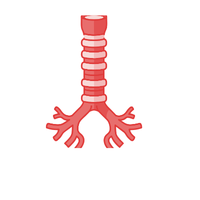
The trachea is a tube that connects the larynx to the lungs.
Conclusion
Internal organs are essential to the human body, working together to keep it alive and functioning properly. Each organ performs a specific role such as breathing, digestion, circulation, and waste removal. Learning vocabulary for internal body parts helps students understand how the body works from the inside. By studying these organs and their functions, we can better appreciate the complexity of the human body and the importance of keeping it healthy through proper care and lifestyle.
Frequently Asked Questions About Internal Body Parts Vocabulary in English
Which organ pumps blood throughout the body?
A) Lung
B) Heart
C) Liver
D) Kidney
Answer: B) Heart
Which organ helps the body breathe and exchange oxygen and carbon dioxide?
A) Brain
B) Lung
C) Stomach
D) Pancreas
Answer: B) Lung
Which organ filters waste from the blood and produces urine?
A) Kidney
B) Liver
C) Spleen
D) Colon
Answer: A) Kidney
Which organ controls the nervous system and body functions?
A) Brain
B) Heart
C) Lung
D) Stomach
Answer: A) Brain
Which organ produces bile and helps detoxify harmful substances?
A) Liver
B) Kidney
C) Spleen
D) Pancreas
Answer: A) Liver
Also Read